

Categories
Downsizing & Senior MovesPublished June 12, 2026
Downsizing in Blaine, MN: Moving to a Smaller Home in 2026

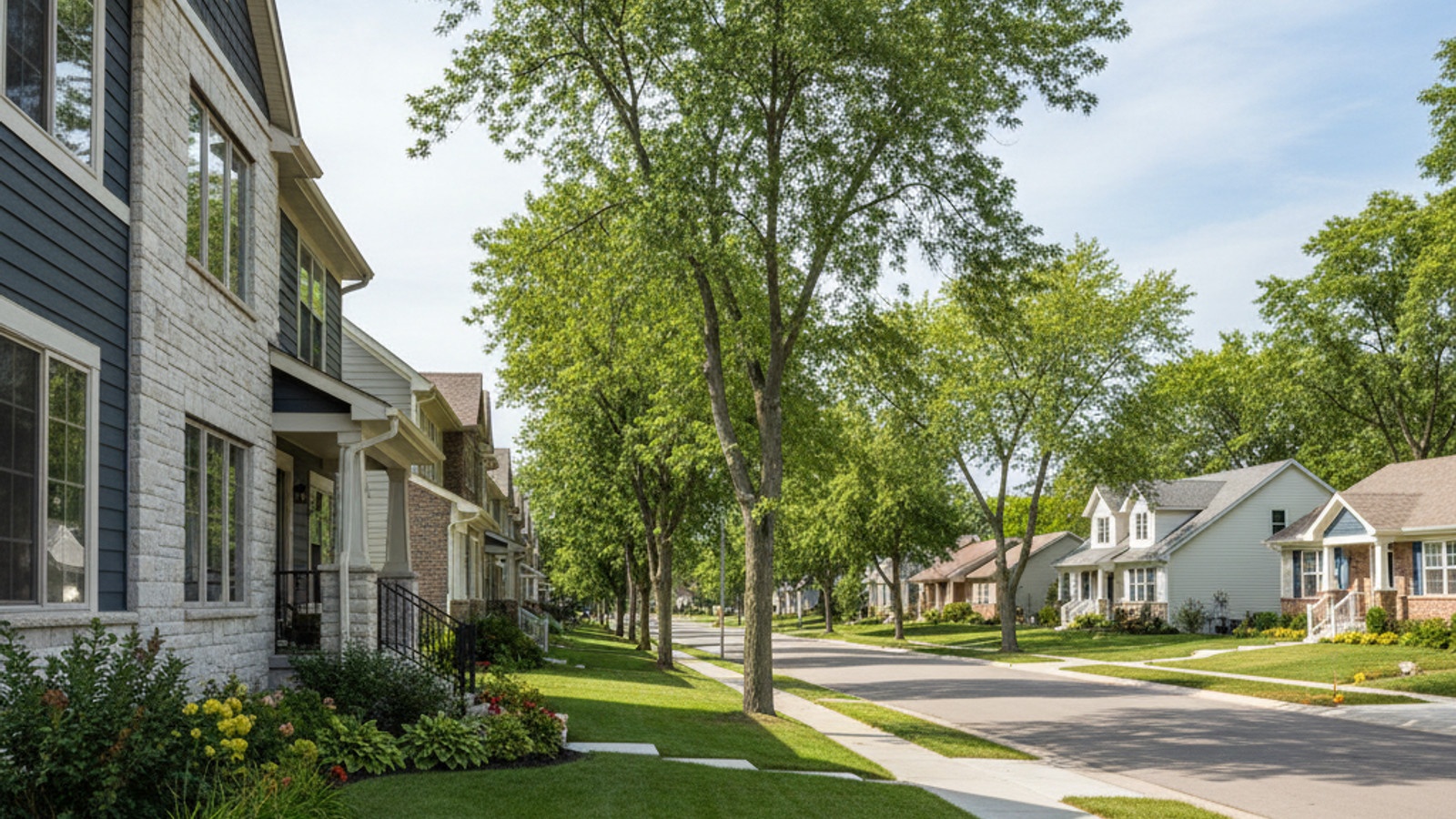
The median home sale price in Blaine hovers around $377,000 to $444,000, making it a strong market for sellers cashing out of large, multi-story properties. Homeowners looking to reduce their square footage often find that selling a larger property provides plenty of equity for a simpler living space.
Transitioning to a townhome or single-level floor plan changes daily routines by eliminating constant yard work and empty room upkeep. Staying within Anoka County allows local residents to keep their established doctors, favorite grocery stores, and preferred routines intact. Downsizing in Blaine, MN, means trading excess space for predictable maintenance.
Why Moving to a Smaller Home Makes Sense Here
Property maintenance in Minnesota requires constant seasonal attention, from summer lawn mowing to heavy winter snow removal. A smaller footprint directly reduces the time and money spent on these exterior chores. Heating and cooling a massive two-story house also drives up utility bills throughout the year.
Moving into a more compact property cuts those monthly utility costs down to a manageable baseline. Buyers moving out of large four-bedroom houses often cut their energy bills in half. This financial shift frees up monthly cash flow for travel, hobbies, or simply building a stronger savings buffer.
Anoka County offers a broad range of neighborhoods designed around lower-maintenance living. Residents who already live in the northern suburbs can easily transition to a new space without learning a completely new local geography. You keep the same commute routes and familiar intersections while upgrading your daily comfort.
Housing Options and Pricing for Smaller Footprints
Blaine townhomes and condos typically range from $250,000 to $450,000, depending on the square footage and recent interior updates. Single-level living options are common, especially in newer developments built over the last decade. These properties often feature main-floor primary suites and laundry rooms, eliminating the need to carry baskets up and down stairs.
The current median sale price for a detached single-family home in Blaine sits near $444,000. Sellers listing a large, updated property at the top of the market can often fund their next purchase entirely in cash. Removing a mortgage payment from the monthly budget changes the financial picture entirely.
Funding Your Purchase
Buyers planning to buy a smaller property should coordinate their sale and purchase timelines carefully. A well-timed closing allows you to roll the equity from your large home directly into the new townhome or condo. Working with an agent to align these dates prevents the need for temporary housing or short-term storage units.
If a cash purchase is not the goal, buyers should explore current loan rates for smaller properties. Condominium financing sometimes requires different down payment structures than traditional single-family loans. Lenders will review the specific homeowner association financials before approving a mortgage on a condo unit.
Living in an HOA-Maintained Community
Homeowner association fees in the Blaine area generally run between $200 and $400 per month. These dues cover the collective expenses of the neighborhood, shifting the physical labor of homeownership onto hired contractors. Buyers trading a large yard for an HOA community gain predictable monthly expenses and free weekends.
Every association operates under a specific set of bylaws and financial reserve requirements. Buyers should review these documents before signing a purchase agreement to understand what the association covers and what remains the owner's responsibility. A healthy reserve fund prevents sudden special assessments for large projects like roof replacements.
Typical Services Covered by Monthly Dues
Most associations handle the heavy lifting of Minnesota weather management. Standard coverage usually includes winter snow removal for driveways and shared sidewalks. During the warmer months, the association manages lawn care, weed control, and general landscaping.
Exterior building maintenance is another major benefit of association living. Dues typically pay for a specific set of services:
-
Snow plowing and shoveling for driveways and sidewalks.
-
Weekly lawn mowing and seasonal landscaping.
-
Exterior building repairs, including siding and roofs.
-
Sanitation services and recycling collection.
Reviewing the exact coverage is a standard part of the purchase process. Some communities cover exterior window washing and hazard insurance, while others leave those items to the individual unit owner.
Area Amenities and Healthcare Access
Mercy Hospital - Unity Campus provides the primary medical care for residents in the north metro area. Having a major healthcare facility nearby offers peace of mind for buyers prioritizing quick access to emergency and routine medical services. The surrounding medical corridors also house numerous specialized clinics and physical therapy centers.
Daily shopping needs are easily met along the Highway 65 corridor and surrounding retail centers. Northtown Mall and the adjacent shopping plazas feature major grocery chains, pharmacies, and hardware stores. Residents never have to travel far to find household staples or run routine errands.
Shopping and Recreation Options
Blaine is well known for its extensive recreational facilities and public green spaces. The National Sports Center anchors the local recreation scene, bringing major events and walking opportunities to the area. Golfers frequently target properties near the TPC Twin Cities golf course for easy access to the greens.
The city maintains miles of paved walking trails connecting different residential areas to local parks. These paths offer flat, accessible routes for morning walks or casual bike rides. Proximity to these outdoor amenities adds tangible value to the smaller homes located nearby.
Commute Times to Minneapolis and Nearby Suburbs
The drive from Blaine to downtown Minneapolis via Highway 65 or I-35W takes about 25 to 35 minutes during off-peak hours. Residents who still work full-time or frequently travel into the city for entertainment rely on these two main arteries. Understanding the traffic patterns helps buyers choose the right side of town for their daily routines.
Peak rush hour traffic changes the commute calculation entirely. Morning and evening congestion often extends the drive to 40 or 60 minutes. Buyers should test the drive from a prospective new home during their actual commuting hours to gauge the daily impact.
Transit and Park-and-Ride Options
Local transit authorities operate several Park and Ride lots throughout the northern suburbs. These facilities allow commuters to leave their cars and take express buses directly into the downtown core. Using public transit removes the stress of highway driving and the high cost of downtown parking.
The express routes run frequently during standard business hours, making them a reliable alternative to driving. Buyers looking to reduce their time behind the wheel should look for properties located within a short drive of these transit hubs.
How to Sort, Pack, and Prepare for the Move
Moving from a 3,000-square-foot house to a 1,500-square-foot townhome requires a clear plan for personal belongings. Homeowners should start the decluttering process several months before the planned move date. Waiting until the house is under contract creates unnecessary stress and often leads to paying to move items you no longer want.
A floor plan of the new property is the best tool for deciding what furniture to keep. Measuring the exact dimensions of the new living room and bedrooms dictates whether a large sectional or king-sized bed will fit. If the math does not work, those items should be sold or donated before packing begins.
Managing the Logistics
Sorting belongings into clear categories streamlines the entire packing phase. Labeling items as keep, donate, or discard prevents second-guessing later in the process. Local charities in Anoka County often schedule free pickups for large furniture donations if arranged in advance.
Hiring professional moving services or organizers handles the physical demands of relocation. A full-service company can pack boxes, transport heavy furniture, and unpack everything in the new space. Buyers should budget for these services early to ensure a smooth transition into their next home.
Frequently Asked Questions
What services do professional organizers provide for a move in Blaine?
Professional organizers help sort belongings, plan the layout of the new home, and manage the physical packing process. Many coordinate directly with local charities to remove donated items before moving day. Their expertise keeps the timeline on track and prevents the new, smaller space from becoming cluttered with unnecessary boxes.
How much does it cost to hire movers in Blaine, MN?
Local moving companies typically charge between $150 and $250 per hour for a standard three-person crew and a truck. A complete pack-and-move service for a large home can range from $1,500 to over $3,500 depending on the volume of furniture. Requesting estimates from three different Anoka County logistics providers ensures competitive pricing.
Are there quiet hours in Blaine residential neighborhoods?
The city enforces a noise ordinance that generally restricts loud machinery, construction, and excessive noise between 10:00 PM and 7:00 AM. Homeowner associations often have additional rules regarding noise levels and acceptable hours for moving trucks to operate. Reviewing the community bylaws prevents any issues with neighbors during the unloading process.

Ann Breuer
Broker Associate, SRES, Team Owner | First Choice Realty Solutions • REAL Broker, LLC
or another way