
Categories
Home Buying TipsPublished June 12, 2026
Investing in Blaine, MN Real Estate: What Buyers Need to Know in 2026

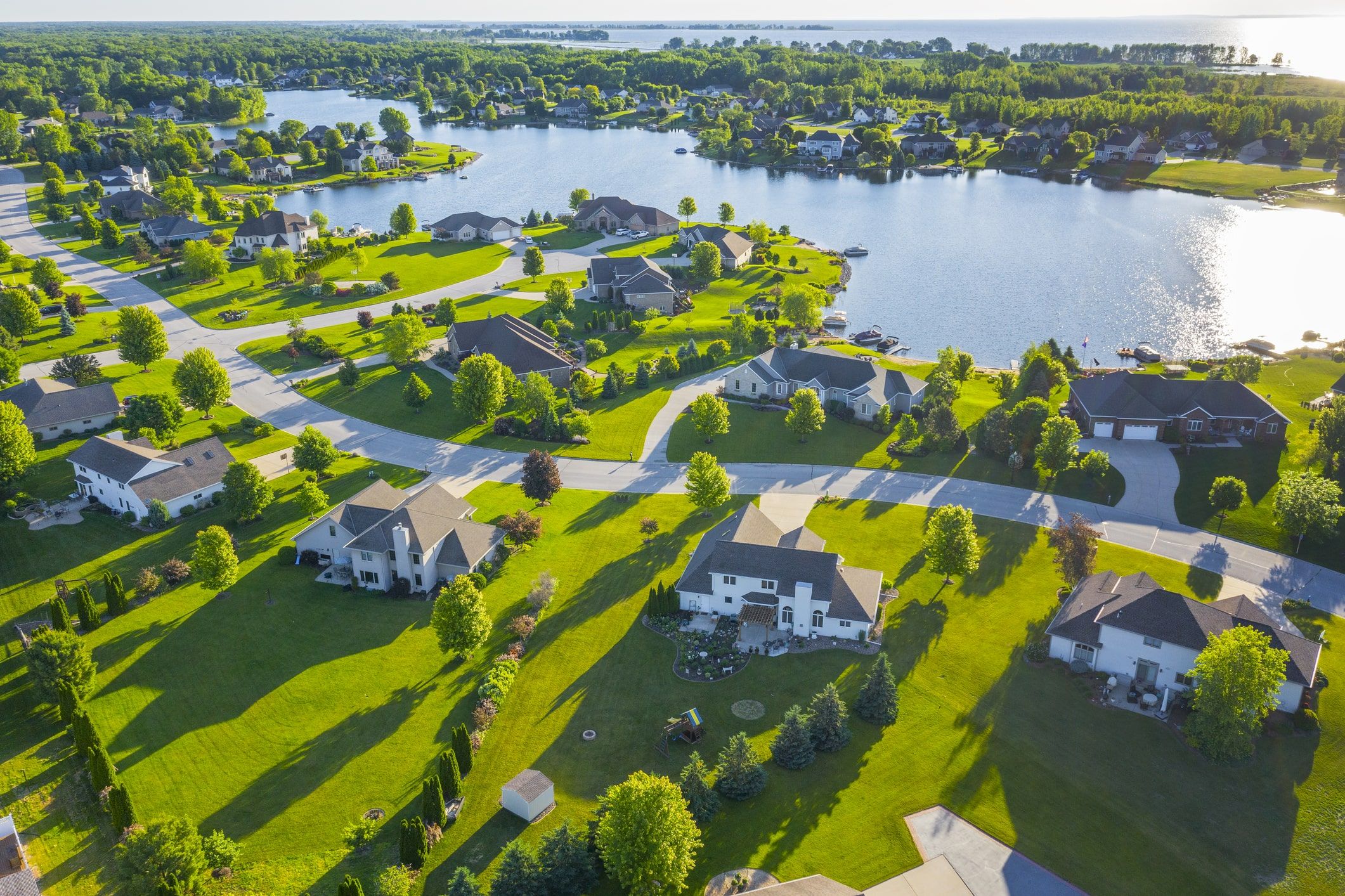
Blaine's population surpassed 70,000 residents last year, cementing its position as one of the fastest-growing suburbs in the Twin Cities metro. Located just 15 miles north of downtown Minneapolis, the city offers a mix of established neighborhoods, new construction, and major commercial anchors. These factors continue to draw buyers looking for long-term holds and rental properties.
The local economy benefits from large-scale facilities like the National Sports Center, which brings millions of visitors to the area annually. Buyers exploring investing in Blaine, MN real estate will find a market that balances steady appreciation with consistent tenant demand.
Drivers Behind the Local Housing Market
The National Sports Center generates an estimated $80 million in annual economic impact for the city of Blaine. This massive athletic complex anchors the local economy and drives continuous demand for short-term lodging and long-term housing nearby. Consistent job growth in the northern suburbs supports a stable pool of renters and buyers.
Blaine also benefits from its strategic position within Anoka County. Residents have direct access to major employment hubs in Minneapolis and St. Paul without paying the premium prices found in closer-ring suburbs. This geographic advantage helps sustain property values during broader market fluctuations.
Historical appreciation data shows a steady upward trajectory for property values in the area. While past performance does not guarantee future results, the combination of incoming businesses and population growth provides a strong foundation for real estate investments. Buyers should look closely at how incoming developments align with their target neighborhoods.
Pricing and Sales Velocity in 2026
The median sale price for homes in Blaine currently sits around $377,000 across all property types. When looking exclusively at single-family homes, that median figure rises to approximately $443,000. These price points remain competitive compared to the broader Twin Cities metro area, and buyers can expect multiple offers on well-maintained properties priced under $400,000.
Homes spend an average of 30 to 33 days on the market before going under contract. This turnaround time indicates a balanced environment where sellers see steady interest, but buyers still have time to conduct proper inspections.
Inventory levels have stabilized after the fluctuations seen in previous years. Sellers are listing at realistic price points, and buyers are securing properties without waiving standard contingencies. Investors should prepare their financing ahead of time to move quickly on new listings.
Housing Inventory and Entry Costs
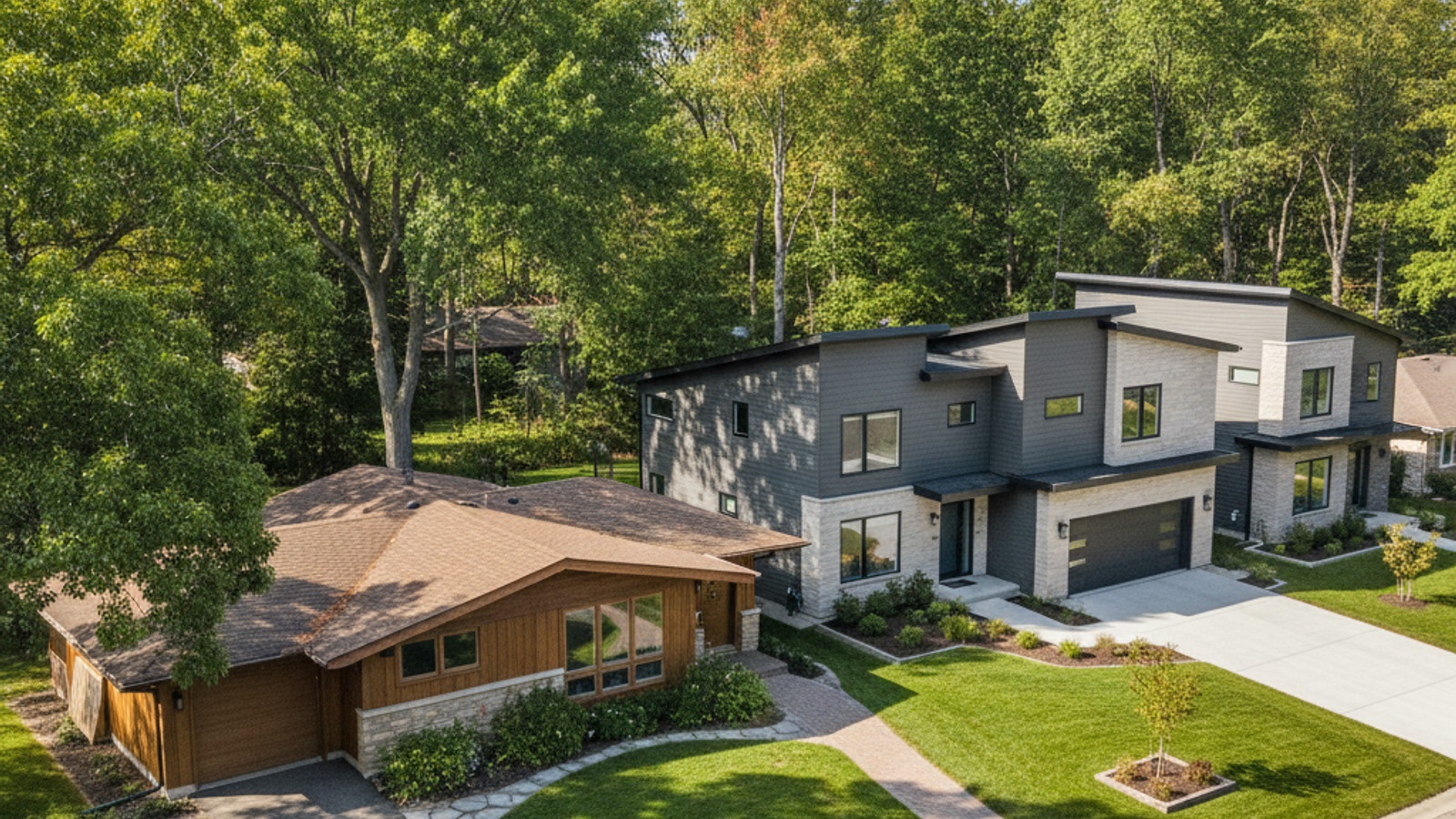
Single-family homes make up the vast majority of the housing inventory in Blaine. These properties range from mid-century ramblers to newer two-story builds with substantial square footage. Entry-level single-family homes typically start in the mid-$300,000s and require some updating to reach peak market rent.
Townhomes provide a lower barrier to entry for buyers focused on rental income. Entry-level townhomes generally price between $200,000 and $355,000. Many of these units belong to homeowners associations that handle exterior maintenance, which can streamline property management for out-of-state owners.
Multi-family properties like duplexes and triplexes appear less frequently on the market. When these listings do surface, they tend to sell quickly to cash buyers or investors utilizing conventional financing. Buyers interested in multi-family assets should monitor the local MLS closely and set up alerts for new inventory.
What to Expect for Rental Income
Average monthly rents in Blaine range from $1,495 to $2,185 depending on the property size and bedroom count. Single-family homes on the higher end of the square footage spectrum can push past that average, particularly if they feature fenced yards or updated kitchens. The local price-to-rent ratio generally favors long-term equity growth over immediate, high-margin cash flow.
Tenant demand remains consistent throughout the year, driven by the area's access to employment centers. Landlords should account for seasonal utility costs if they include services like water or trash in the rent.
When evaluating potential properties, buyers often look at the 3-3-3 rule to structure their business plans. This approach suggests maintaining three months of mortgage payments in reserve, setting aside three percent of the purchase price for immediate repairs, and anticipating three months to stabilize a new rental. Applying this standard helps investors weather unexpected vacancies or maintenance issues.
Commute Times and Local Infrastructure
Downtown Minneapolis is approximately 15 miles south of Blaine, resulting in a 25 to 35-minute commute for most drivers. Transportation access plays a major role in tenant retention and property appeal. The city connects to the broader metro area via Interstate 35W on the eastern edge and Highway 10 to the south.
Public transit options include Metro Transit bus routes, with park-and-ride facilities supporting daily commuters. Beyond transportation, the area features dozens of local parks, trail systems, and retail centers like Northtown Mall. These amenities contribute to the overall quality of life for residents.
School district boundaries also influence housing decisions. The city is served primarily by the Anoka-Hennepin School District 11 and Spring Lake Park Schools. Buyers should verify which district a specific property falls into, as these boundaries can impact long-term resale value.
Municipal Rules and Property Taxes
The city implemented a 9.9 percent property tax levy increase for 2026 to fund local services and infrastructure. For the median homeowner, this increase adds roughly $10 per month to the property tax bill. Investors should factor these updated tax rates into their underwriting models when evaluating potential acquisitions.
Anyone operating a rental property in the city must obtain a municipal rental license. This requirement applies to single-family homes, townhouses, and multi-unit buildings to ensure units meet basic safety standards.
Properties must pass a physical inspection before tenants can move in. Inspectors look for functional smoke detectors, proper egress windows, and overall structural integrity. Landlords should review the city's inspection checklist before purchasing a property to estimate potential compliance costs.
The 105th Avenue Project and Highway 65 Upgrades
A $750 million private investment is currently transforming the 105th Avenue corridor near the National Sports Center. This massive redevelopment project introduces a new entertainment district to the city. The plans include an outdoor stadium, multiple hotels, and new retail anchors designed to capture spending from sports tournament attendees.
Infrastructure improvements are also underway to support this growth. The $170 million Highway 65 improvement project, which began earlier in 2026, aims to alleviate long-standing traffic bottlenecks. The project replaces several at-grade intersections with overpasses and underpasses.
These road upgrades will streamline daily commutes and improve access to local businesses. Real estate investors should monitor the construction phases, as properties located near the newly improved interchanges may see increased demand. Buyers should weigh the temporary inconvenience of roadwork against the long-term benefits of the completed infrastructure.
Frequently Asked Questions
What is the 3-3-3 rule in real estate?
The 3-3-3 rule is a practical budgeting guideline for property investors. It recommends holding three months of mortgage payments in reserve, allocating three percent of the home's price for initial repairs, and planning for three months to find a tenant and stabilize the property. Following this framework protects buyers from unexpected cash shortages during the first year of ownership.
Are home prices dropping in Minnesota?
Prices across the Twin Cities metro remain stable, with many suburbs seeing modest appreciation in 2026. While the rapid price spikes of previous years have leveled off, limited housing inventory prevents any major downward movement. In Anoka County specifically, steady buyer demand continues to support current valuations.
Do single-family rentals in Blaine, MN need a license?
Yes, the city requires a valid rental license for all single-family investment properties. Owners must submit an application, pay the associated fees, and pass a municipal safety inspection before allowing tenants to occupy the home. Failing to secure this license can result in fines and legal complications.

Ann Breuer
Broker Associate, SRES, Team Owner | First Choice Realty Solutions • REAL Broker, LLC
or another way