
Categories
Home Buying TipsPublished March 27, 2026
Living in Blaine, MN: Is This North Metro Suburb Right for You?

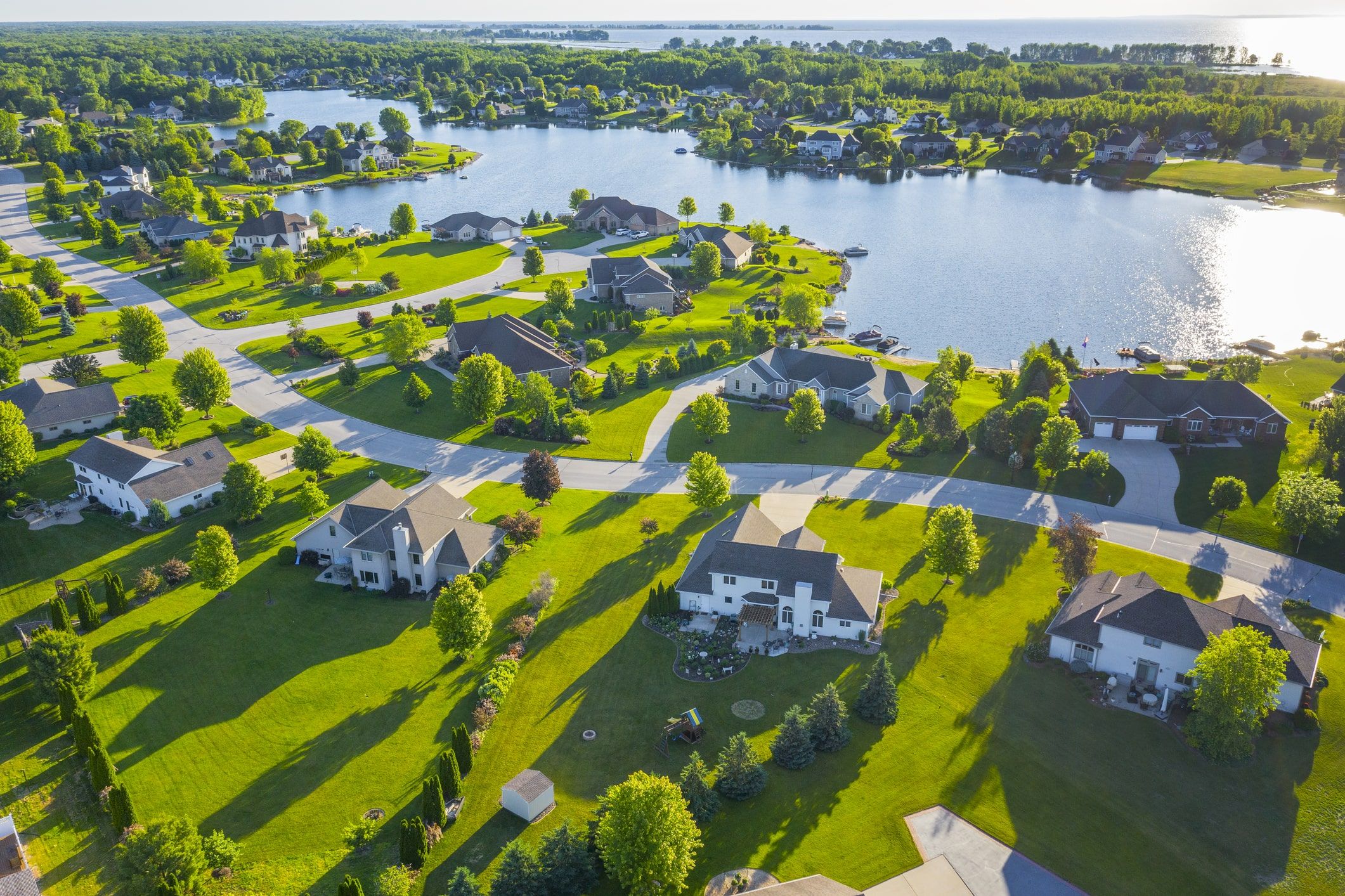
If you are considering a move to the northern Twin Cities suburbs, there is a good chance Blaine has crossed your radar. Located in Anoka County, this thriving city of over 70,000 residents has grown from a quiet rural community into a bustling hub of suburban comfort. Grab a cup of coffee, and let's talk about what daily life here actually looks like.
Blaine has built a strong reputation around its outdoor activities, expansive parks, and world-class athletic facilities like the National Sports Center. It offers a comfortable balance for those who want access to major metro amenities without living right in the center of the urban core.
In this guide, we will cover the essentials of moving to Blaine. From exploring the local real estate market and commute times to understanding the school districts and everyday cost of living, this overview will help you decide if this north metro suburb is the right fit for your next chapter.
Pros and Cons of Living in Blaine, MN
Every city has its highlights and its hurdles, and Blaine is no exception. Taking an objective look at both sides can help you set the right expectations before you start touring neighborhoods.
Let's start with the benefits of moving here. Blaine offers excellent access to outdoor recreation, including local wetland sanctuaries and pristine golf courses like the TPC Twin Cities. The local economy is also robust, featuring ongoing commercial development and a healthy job market. Plus, buyers will find a wide variety of housing options, ranging from brand-new construction builds to well-established, mature neighborhoods.
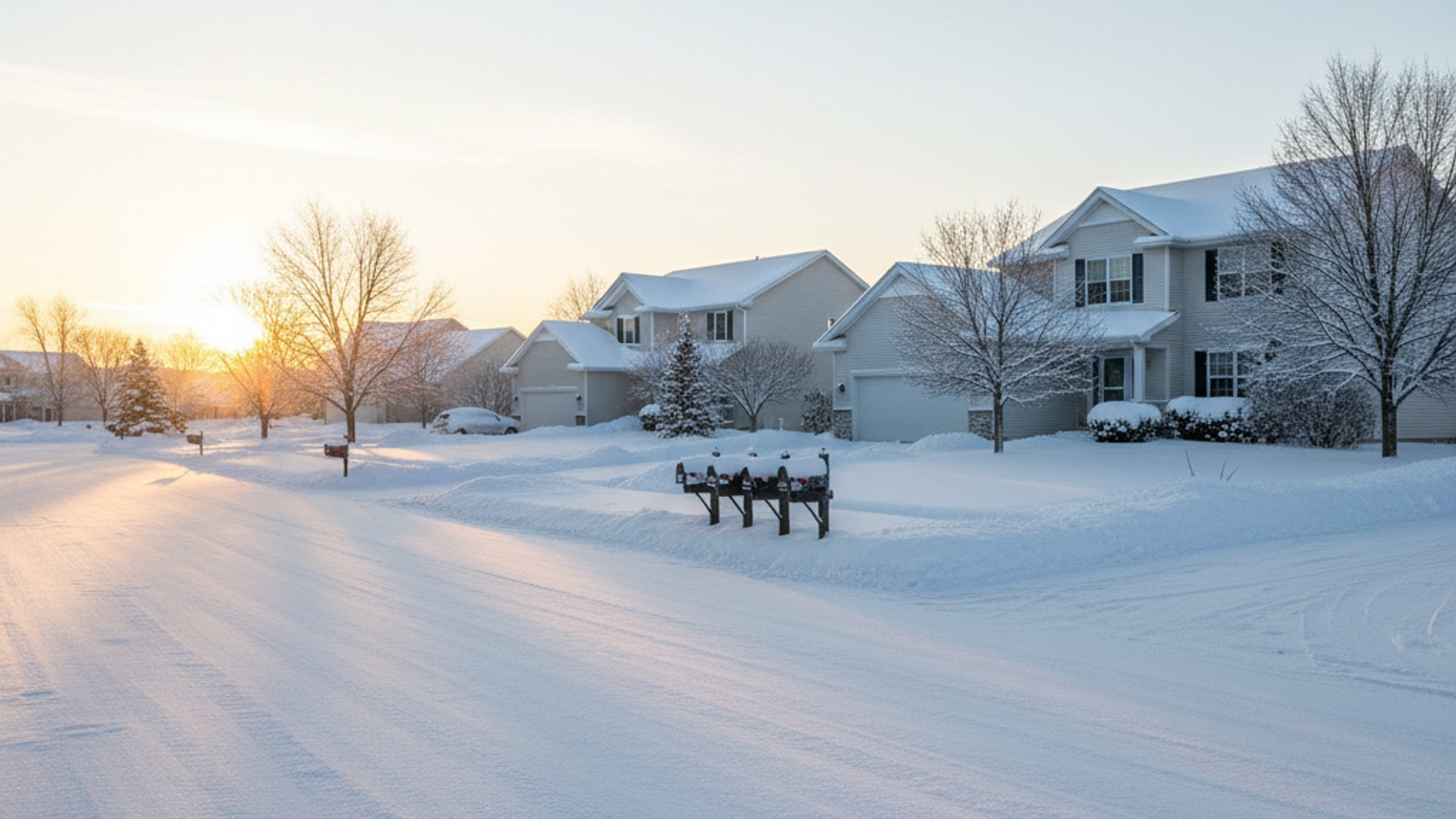
On the flip side, there are a few drawbacks to keep in mind. Commuting along Highway 65 can bring notable traffic congestion during peak morning and evening hours. Like anywhere in the state, you will also need to prepare for standard snowy Minnesota winters, which means budgeting for snow removal and winterizing your home. Finally, the area has a heavily suburban feel, meaning it lacks the dense, highly walkable downtown districts you might find in big-city living.
Geographic Location: Blaine, MN Commute to Minneapolis
Let's talk about getting around, which is a huge factor when you are choosing a new place to live. Blaine is located roughly 12 to 15 miles north of downtown Minneapolis, making it a highly convenient spot for those who work in the city but prefer a suburban home base.
Your primary commuter routes will be Interstate 35W and Highway 65. Depending on your exact starting location in Blaine and the current traffic conditions, an average commute to Minneapolis typically takes about 25 to 35 minutes. Traveling to St. Paul is also straightforward, though it usually adds a few extra minutes to your drive.
If you prefer not to drive every day, there are public transportation options available. Metro Transit operates several express bus routes from local park-and-ride lots directly into the downtown hubs. It is always wise to test your specific commute during rush hour to get a true feel for the drive before making a final decision.
What School District is Blaine, MN In?
If you are researching local education options, you will find that Blaine is served by a few different districts depending on your exact address. The primary district covering the majority of the city is Anoka-Hennepin School District 11. This is one of the largest and most well-regarded school districts in the state, generally holding strong objective ratings from educational review sites.
In addition to Anoka-Hennepin, some neighborhoods fall under the Spring Lake Park Schools or the Centennial Public School District boundaries. Blaine High School is one of the most prominent secondary schools in the area, known for a wide variety of academic and extracurricular programs.
Beyond the traditional public school routes, residents also have access to several local charter schools and private education options. Because district boundaries can weave through different neighborhoods, it is always a good idea to verify the specific assigned schools for any homes for sale in Blaine that catch your eye.
Crime Statistics: Is Blaine, MN a Safe Place to Live?
When looking at a new area, reviewing objective crime data is always a smart step. Compared to national and state averages, Blaine maintains very competitive safety statistics.
Data shows that the violent crime rate in Blaine is significantly lower than the national average. Currently, violent crime sits at approximately 1.2 to 1.8 incidents per 1,000 residents, which is well below the national average of 3.6. Property crime rates align more closely with typical suburban averages, hovering around 14 per 1,000 residents.
The community benefits from an active local police department that emphasizes community policing. There are also numerous neighborhood watch programs in place across the city. Reviewing local municipal pages can provide you with the most up-to-date community resources and safety initiatives.
Cost of Living and Real Estate in Blaine
From there, it is smart to look at the numbers to see how your budget fits into the local market. The overall cost of living in Blaine is slightly above the national average - approximately 4 percent higher - but it remains highly competitive for the Twin Cities metro area. Everyday expenses like groceries, healthcare, and utilities are very much in line with neighboring suburbs.
When it comes to real estate, the 2026 median home price is currently sitting roughly between $370,000 and $395,000. This range typically secures a comfortable single-family home or a spacious, modern townhouse. Property taxes in Anoka County are an important factor to calculate into your monthly budget, so be sure to review the specific tax history on any property you tour.
For those who are not quite ready to buy, the local rental market is active and diverse. You can find everything from luxury apartment complexes near retail centers to single-family homes available for lease. Whether renting or buying, the variety of housing styles makes it easy to find a property that matches your financial goals.
Lifestyle and Amenities: What is Blaine Known For?
Outside of work and home life, you will want to know what there is to do around town. Blaine is perhaps best known for the National Sports Center. This 600-acre campus is the world's largest amateur sports facility, drawing heavily on soccer and hockey tournaments that bring a vibrant, energetic atmosphere to the city year-round.
Golf enthusiasts will feel right at home here, too. The city is home to the TPC Twin Cities, a private golf club that famously hosts the PGA Tour's 3M Open every summer. Even if you do not golf, the beautifully maintained greens add to the scenic nature of the surrounding neighborhoods.
If you prefer a more relaxed pace, the city offers an extensive network of parks, local wetland sanctuaries, and paved biking trails. You will also find plenty of retail and dining options scattered throughout the city. From convenient shopping centers with major grocers to local restaurants and cafes, you rarely have to leave the suburb to find what you need.
Frequently Asked Questions About Living in Blaine
Is Blaine, MN a good place to live?
Blaine offers a strong mix of suburban amenities, robust local employment, and excellent recreational facilities. With competitive housing prices and well-regarded school districts like Anoka-Hennepin, it is a highly attractive option for anyone moving to the Twin Cities area.
How far is Blaine, MN from Minneapolis?
The city is located approximately 12 to 15 miles directly north of downtown Minneapolis. For most commuters, this translates to a 25 to 35-minute drive via Interstate 35W or Highway 65, depending on daily traffic and weather conditions.
What is the crime rate in Blaine, MN?
Crime rates in Blaine are notably lower than the national average, particularly regarding violent offenses. The violent crime rate is roughly 1.2 to 1.8 per 1,000 residents, while property crime sits near typical suburban levels at about 14 per 1,000 residents.

Ann Breuer
Broker Associate, SRES, Team Owner | First Choice Realty Solutions • REAL Broker, LLC
or another way