
Categories
Moving & Local ResourcesPublished July 22, 2026
The History of Blaine, MN: Origins, Naming, and Local Legacy

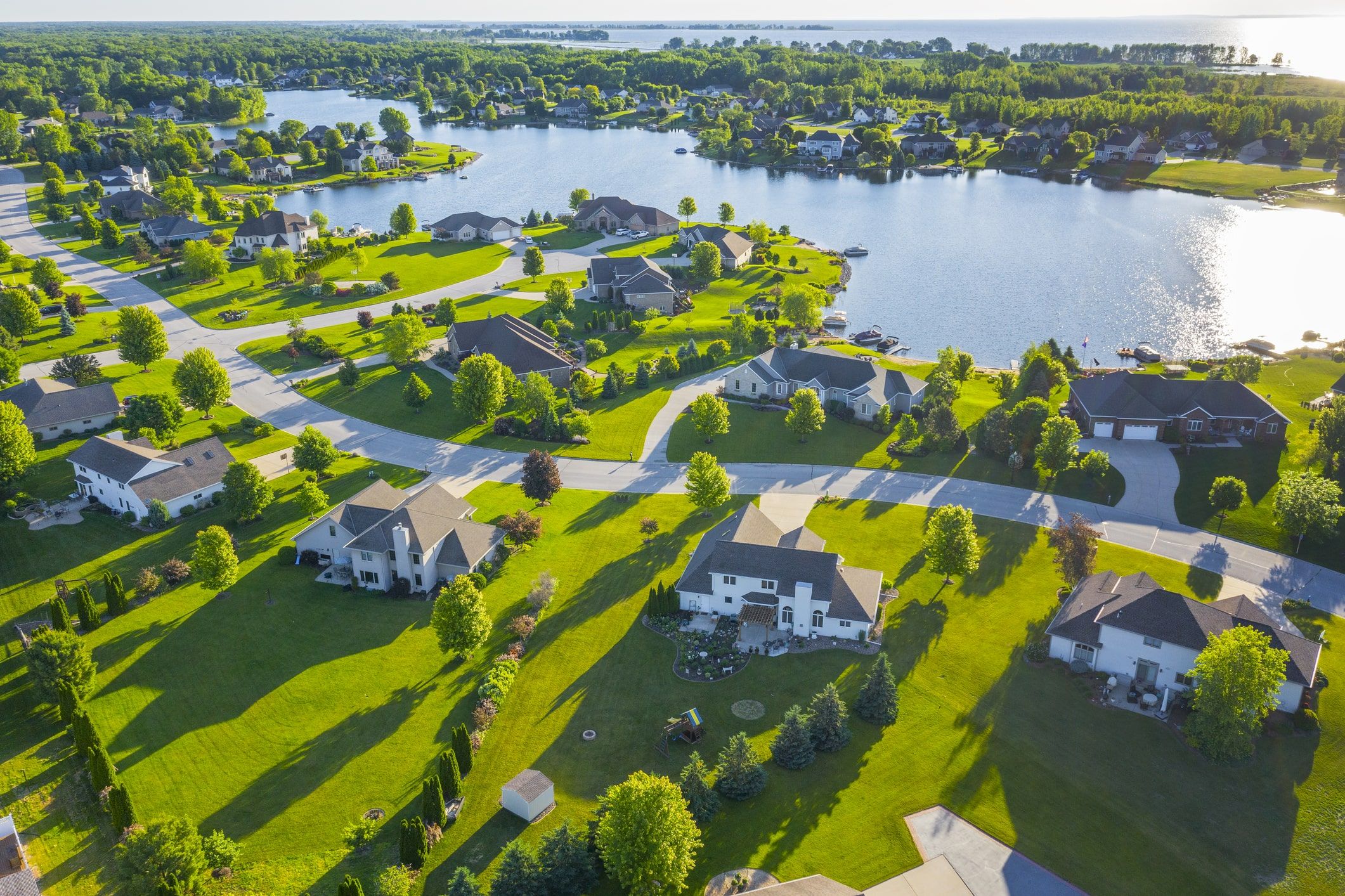
Blaine, MN sits just north of Minneapolis and St. Paul, growing from a sandy landscape into a major suburban hub. The area transitioned out of early dairy and sod farming and developed into a modern city recognized for expansive athletic facilities and steady residential development. This transformation has made living in Blaine, MN a popular choice today.
Understanding the history of Blaine, MN provides context for anyone looking at the local housing market today. Buyers entering the area will find a median home sale price around $384,000, with properties moving fast - averaging roughly 23 days on the market in 2026. The city's past directly shaped its current layout, infrastructure, and property types.
The Story of Blaine at a Glance
Blaine was officially incorporated as a city in 1964, though its roots stretch back to the mid-19th century. The area began as a township characterized by sandy soils and wetlands, which initially deterred large-scale agricultural development compared to neighboring regions.
Over time, those same geographical features made it an ideal location for specialized farming, particularly sod production. Today, the landscape is defined by extensive residential neighborhoods and commercial centers, leaving behind its rural origins.
Basic Facts About the Area
The city covers roughly 34 square miles of land. It operates under a council-manager form of government and provides a full range of municipal services to its residents.
Blaine is recognized regionally as a sports destination, anchored by the National Sports Center. The housing supply here consists of about 142 available homes on the market at any given time, reflecting an active suburban environment.
City, Town, or Neighborhood Status
Blaine is a fully incorporated city, not a neighborhood or a town. It transitioned from a township to a village in 1954, and finally to a statutory city ten years later.
This municipal status means Blaine manages its own zoning, public works, and local ordinances. Buyers looking at properties here deal directly with the city of Blaine for permits and local tax assessments.
Location and County Lines
The city sits immediately north of the Twin Cities core, making it a primary suburban market. Commuters utilize Highway 65 and Interstate 35W to reach downtown Minneapolis and St. Paul.
Because of its size and steady expansion over the decades, the municipal boundaries touch several other suburbs. This central position in the northern metro has driven consistent demand for housing, keeping the months of supply low at approximately 1.6 months.
County Boundaries Explained
Blaine is located almost entirely within Anoka County. The vast majority of municipal services, property tax records, and court proceedings run through the Anoka County government.
A very small portion of the city extends into Ramsey County. Buyers looking at homes on the extreme southern edge of the city should verify their county lines, as property tax rates and county jurisdictions differ.
Position Within the Twin Cities Metro
The location serves as a transition zone between the denser inner-ring suburbs and the more rural communities to the north. This geography allowed for large-scale housing developments during the late 20th century.
The proximity to major employment centers in Minneapolis makes it a practical choice for workers. Highway access dictates much of the commercial development along the main corridors.
How the City Got Its Name
The name Blaine comes from James G. Blaine, a prominent 19th-century politician from Maine. He served as a U.S. Senator, Secretary of State, and ran for president three times.
There is no historical record showing that James G. Blaine ever visited the Minnesota town that bears his name. The connection stems from early settlers who migrated from the East Coast and brought their political loyalties with them.
The James G. Blaine Connection
Moses Ripley, the first Chairman of the Board of Supervisors for the township, championed the name. Ripley was a native of Maine and wanted to honor his home state's most famous political figure at the time.
Before Ripley's successful push to name the area after the senator, the township was briefly part of the neighboring community of Anoka. The distinct identity took hold once the borders were formally drawn and the new name was adopted.
Founding and Timeline of Growth
The area saw its first permanent resident in 1865 when Greenberry Chambers, a formerly enslaved man and Union Army veteran, claimed land near present-day Lever Street and 103rd Avenue. The township was officially established twelve years later in 1877.
Growth was slow throughout the late 1800s and early 1900s. The sandy soil and abundant wetlands made traditional crop farming difficult, keeping the population sparse compared to areas with richer agricultural land.
Early Settlement Days
Before Chambers arrived, a few individuals attempted to settle the area. Phillip Leddy, an Irish immigrant, purchased land near Laddie Lake in the late 1850s and farmed there until his death in 1872.
Another early arrival was George Townsend, an Englishman who briefly lived on the land Chambers later claimed. These early pioneers relied on subsistence farming and hunting in the challenging terrain.
From Sod Farms to Suburbs
After World War II, the local economy shifted. Farmers realized the sandy soil was well-suited for growing sod, and Blaine quickly became a major supplier of turf for the expanding Twin Cities metro.
The completion of Interstate 35W in the mid-20th century accelerated the transition from agriculture to residential housing. Developers bought up the flat sod farms, turning them into the suburban tracts that define the current real estate market.
Historic Sites and Landmarks
Because the city developed primarily after World War II, it lacks a traditional historic downtown district. Most of the early structures were functional farm buildings that were eventually replaced by modern construction.
Residents interested in local history often turn to the Anoka County Historical Society. The organization maintains records, photographs, and artifacts detailing the transition from rural township to major suburb.
Early Farms and Laddie Lake
The Laddie Lake area remains a recognized geographic feature, named after the early settler Phillip Leddy. Early records frequently misspelled his name as "Laddy," leading to the current spelling of the lake.
In the late 19th century, land speculator James T. Elwell established large livestock operations, including Golden Lake Farm. During Prohibition, the Golden Lake Farm site gained notoriety as a local bootlegging operation.
The National Sports Center
The land currently occupied by the National Sports Center was once the Radisson Farm. The airports commission acquired the property in 1962, and it was later repurposed into the expansive athletic complex seen today.
The facility opened in 1990 and transformed the city's identity. It hosts international youth soccer tournaments and features dozens of athletic fields, drawing hundreds of thousands of visitors annually.
What the City is Known For Today
Modern Blaine is recognized primarily for its large recreational facilities and golf courses. The local economy is driven by retail, services, and the constant influx of sports tourism.
The real estate market reflects this suburban appeal, with homes selling for slightly above asking price on average. Buyers are drawn to the established infrastructure and the abundance of parks and trails.
Sports and Recreation Legacy
The National Sports Center is the largest amateur sports facility in the world. It includes an indoor velodrome, multiple ice rinks, and a golf course.
The city also hosts the 3M Open, a regular stop on the PGA Tour. This annual event brings national television coverage and professional golfers to the local TPC Twin Cities course.
Notable Residents
The city has produced several professional athletes, most notably NHL player Nick Bjugstad. The strong local hockey programs at the youth and high school levels contribute to this athletic pipeline.
Various political figures have also called the area home, including Elwyn Tinklenberg and Matt Norris. These individuals have represented the district in state and regional government roles.
Frequently Asked Questions
When were the major housing development booms in Blaine, MN, and what age of homes are most common on the market?
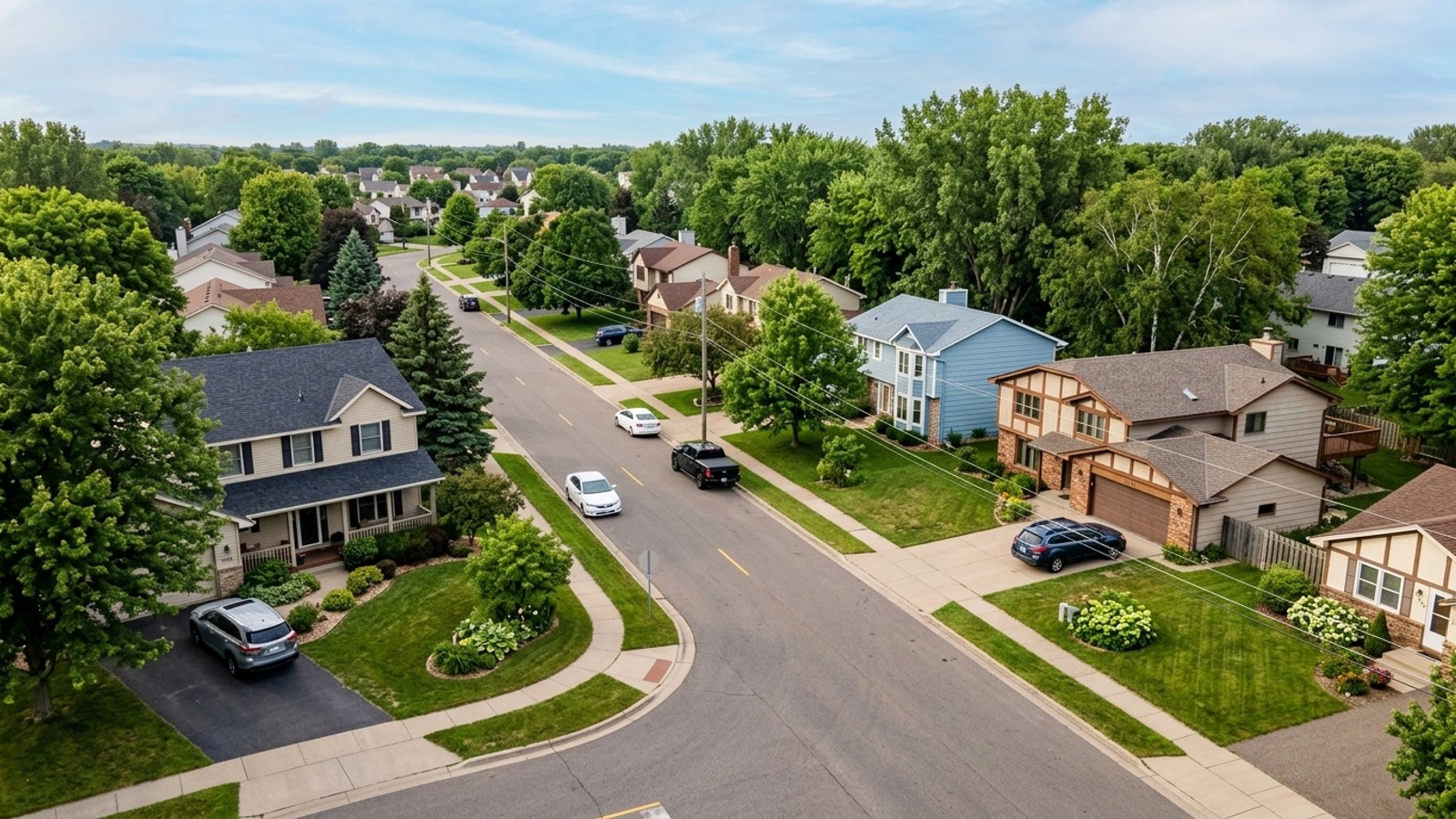
The largest residential construction waves occurred in the 1970s, 1980s, and early 2000s. Buyers today will primarily find split-level homes and two-story builds from these decades, rather than early 20th-century architecture.
Are there any historic preservation districts in Blaine that restrict how buyers can remodel or update their homes?
No, the city does not have designated historic preservation districts with strict exterior remodeling restrictions. Homeowners must follow standard municipal zoning and building codes, but they do not face the architectural review boards found in older cities like St. Paul.
How does Blaine's history as a major sod farming hub affect soil conditions and foundation stability for local houses?
The sandy soil that made sod farming profitable drains water quickly, which is generally favorable for keeping basements dry. However, the high water table in certain former wetland areas means many homes require active sump pump systems to prevent moisture issues.
How do property values of older, mid-century homes in Blaine compare to the city's newer residential construction?
Mid-century homes built in the 1950s and 1960s typically sell below the city's $384,000 median price. Newer construction from the 2000s onward frequently commands prices well over $500,000 due to larger square footage and modern floor plans.
Are there older residential areas in Blaine, MN still relying on original private well and septic systems instead of city utilities?
Yes, some properties on the northern and eastern edges of the city still operate on private well and septic systems. Buyers purchasing these older lots should budget for a septic compliance inspection, which is required before closing.
Does the city of Blaine offer any historical preservation grants or financial incentives for renovating older properties?
The city does not offer grants specifically for historical preservation. However, the Anoka County Housing and Redevelopment Authority periodically provides home improvement loan programs for income-qualified buyers making general property upgrades.

Ann Breuer
Broker Associate, SRES, Team Owner | First Choice Realty Solutions • REAL Broker, LLC
or another way