

Categories
Home Buying Tips, Moving & Local Resources, Real Estate FAQs (Answered Simply), Twin Cities Neighborhood GuidesPublished April 7, 2026
Getting Around Blaine, MN: A Complete Transportation Guide

Grab a cup of coffee and let's talk about how you will actually get around if you are planning a move to the area. If you are reading a Moving to Blaine Relocation Guide, transportation is usually one of the very first topics that comes up.
Blaine is a growing northern suburb situated in Anoka County, located just about 13 miles north of downtown Minneapolis. Whether you are commuting daily for work or simply running local errands around town, you will find a highly functional mix of driving infrastructure, public transit, and trail networks.
Over the last few years, the city has placed a heavy focus on improving local connectivity. This means smoother daily commutes and better access to everything the region has to offer for both daily commuters and local travelers.
Major Highways and Driving in Blaine
Most residents here rely on a personal car for their daily routine, so understanding the local road layout is a great first step when exploring the area.
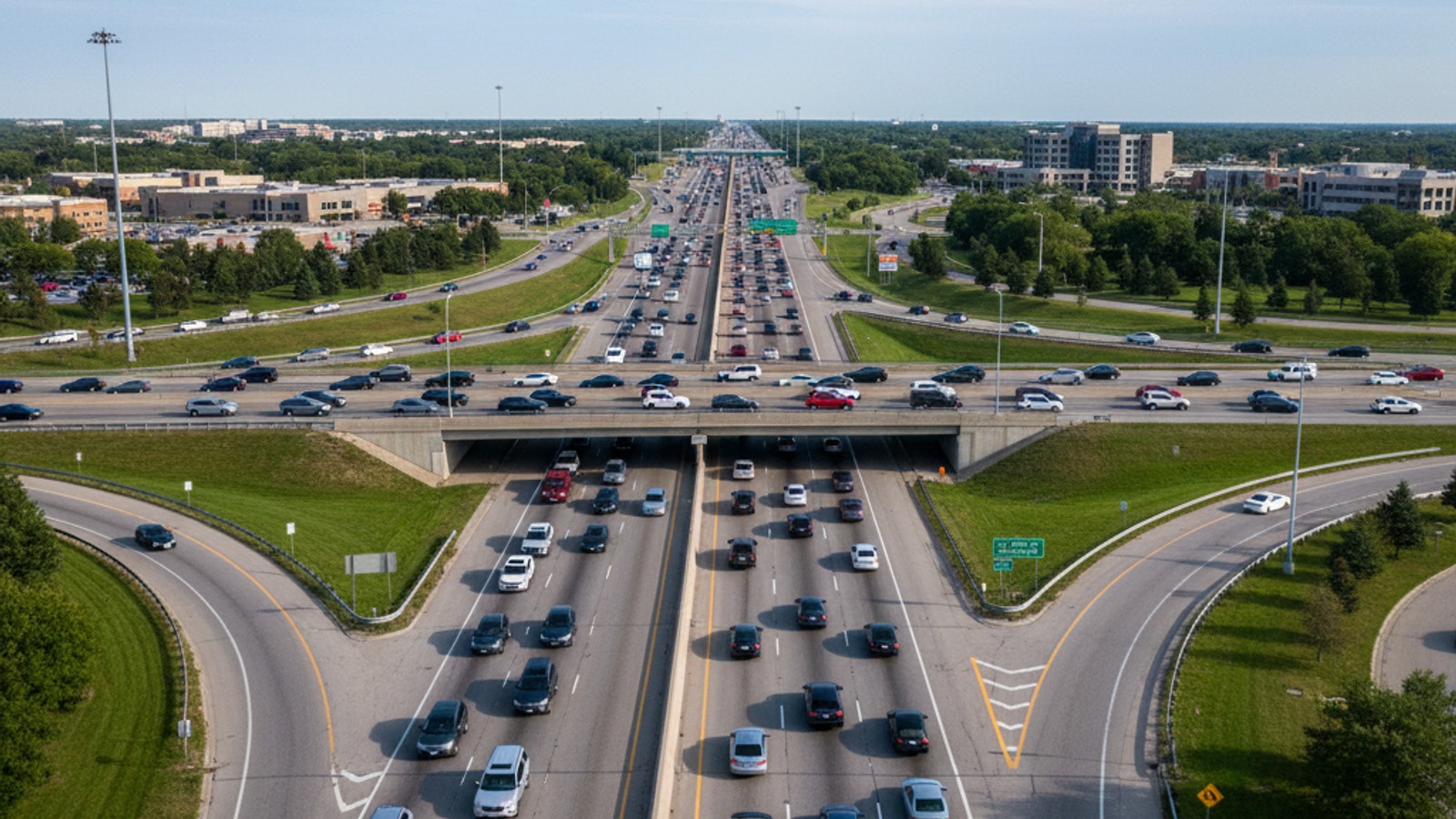
Highway 65 is your primary north-south artery, serving as the main thoroughfare that connects Blaine directly down into the Twin Cities. For regional trips or traveling east to west across Anoka County, Interstate 35W and Highway 10 are going to be your most heavily used routes. Highway 10 is an especially vital corridor for the area, handling approximately 80,000 vehicles every single day.
Like any thriving suburb, you will absolutely run into typical rush hour congestion. You can expect the heaviest traffic volume on weekday mornings between 7:30 AM and 8:30 AM, and again in the early evening from 4:00 PM to 5:30 PM. If you are browsing a Blaine Neighborhoods Guide, it is smart to map out how close a specific neighborhood is to these main highway access points.
As a local expert, I always remind buyers to factor in our Minnesota winters when planning their driving routes. Snow and ice will significantly impact your travel times. It always pays to leave a little early, invest in good tires, and drive cautiously for the conditions during those colder months.
Public Transportation and the Metro Micro Service
If you prefer to leave the driving to someone else, Blaine features some surprisingly innovative public transit options.
The standout feature here is the Metro Micro service, which is an on-demand, shared-ride transit option utilizing ADA-accessible minibuses. It operates very much like popular rideshare apps such as Uber or Lyft, offering fantastic door-to-door convenience but at standard public transit prices.
Booking a ride is incredibly simple and user-friendly. You just download the Metro Transit app on your smartphone or call their service line to schedule your pickup. The service area covers a highly practical local footprint, providing rides throughout Blaine, Coon Rapids, and Spring Lake Park. This makes it a great way to access local Blaine Community Amenities without needing to park a car.
It is also extremely budget-friendly for daily or weekly use. Here is a quick look at the current fare structure for the Metro Micro service:
-
$2.50 per ride during standard non-rush hours.
-
$3.25 per ride during peak rush hours.
You can catch a ride on weekdays from 5:30 AM to 10:30 PM, and on weekends between 7:00 AM and 10:30 PM.
Park and Ride Facilities for Commuters
For hybrid commuters who want to split the difference between driving and taking the bus, our local Park and Ride lots are fantastic daily resources.
One of the most popular starting points is the Paul Parkway Park and Ride, which is conveniently located right near Highway 65. It features approximately 300 free surface parking spaces as well as bicycle racks, making it an incredibly easy drop-off point before heading into the city. Another excellent option is the 95th Avenue Park and Ride situated near I-35W.
From these transit hubs, you can easily hop on express bus routes - such as Route 865 or Route 250 - that take you directly into downtown Minneapolis. Connecting to Twin Cities Employment Hubs is much less stressful when you let a professional driver navigate the traffic.
A huge perk of these express routes is that the buses are legally allowed to use the highway shoulders during heavy traffic. That means you can often breeze right past the highway gridlock while relaxing, reading a book, or catching up on morning emails.
Average Commute Times to Minneapolis and St. Paul
Knowing your exact commute time is usually a top priority when looking at homes for sale in Blaine.
In optimal, non-traffic conditions, your baseline drive time to downtown Minneapolis is a very manageable 22 to 25 minutes. However, realistic rush hour commutes are a different story entirely once you factor in the usual bottlenecks along the I-35W or Highway 65 corridors.
During peak morning or evening traffic, you should expect that drive to take anywhere from 45 to over 60 minutes, depending on your specific destination downtown. This is exactly where those express buses from the Park and Ride locations really shine, as they can often beat personal vehicle times when the main lanes are at a standstill.
Always remember to budget extra commute time during the winter months. A fresh morning snowfall can easily add another 15 to 20 minutes to your drive, so keeping an eye on the weather forecast and planning ahead is essential for a stress-free morning.
Bike Trails, Pedestrian Paths, and Walkability
Beyond cars and buses, Blaine offers plenty of ways to get around on foot or by bicycle.
When it comes to overall walkability, Blaine is mostly car-dependent for running daily errands like grocery shopping, but it makes up for that with excellent neighborhood trail networks. You will find extensive, well-maintained multi-use trails weaving through popular local spots like The Lakes Park, Lochness Park, and Pioneer Park. The city even maintains numerous trail distance maps to help you plan your jogging or cycling routes.
If you are looking at longer cycling commutes, these local paths connect seamlessly to larger regional trail networks throughout Anoka County. Exploring the Parks and Recreation in Blaine often means discovering a new favorite bike path right in your own backyard.
Additionally, Metro Transit buses are equipped with front-mounted bike racks. This perfectly supports a hybrid cycling and transit commute, allowing you to ride your bike to the bus stop, load it up, and pedal the rest of the way to your office.
Frequently Asked Questions About Transit in Blaine
Let's wrap up with a few of the most common questions I hear from buyers about navigating the area.
How much does the Metro Micro bus cost in Blaine?
The Metro Micro bus is highly affordable, costing just $2.50 during non-rush hours and $3.25 during peak rush hour times. It offers the door-to-door convenience of a rideshare app but operates at these standard, budget-friendly public transit rates.
What is the average commute time from Blaine to Minneapolis?
Without traffic, you can drive to downtown Minneapolis in about 22 to 25 minutes. However, during the weekday rush hours, you should plan for a commute of 45 to 60 minutes or more depending on highway congestion and weather.
Are there Park and Ride locations in Blaine, MN?
Yes, the city offers excellent Park and Ride options, including the Paul Parkway location with roughly 300 parking spaces near Highway 65. There is also a highly convenient lot at 95th Avenue near I-35W for quick access to downtown express bus routes.
Is Blaine, MN a walkable city?
While Blaine is generally car-dependent for grocery shopping and daily errands, it features fantastic pedestrian infrastructure for recreation. Residents enjoy miles of paved, multi-use trails connecting local green spaces and regional Anoka County trail networks.

Ann Breuer
Broker Associate, SRES, Team Owner | First Choice Realty Solutions • REAL Broker, LLC
or another way