
Categories
Home Buying Tips, Moving & Local Resources, Twin Cities Neighborhood GuidesPublished April 7, 2026
Moving to Blaine, MN: Your Complete Relocation Guide

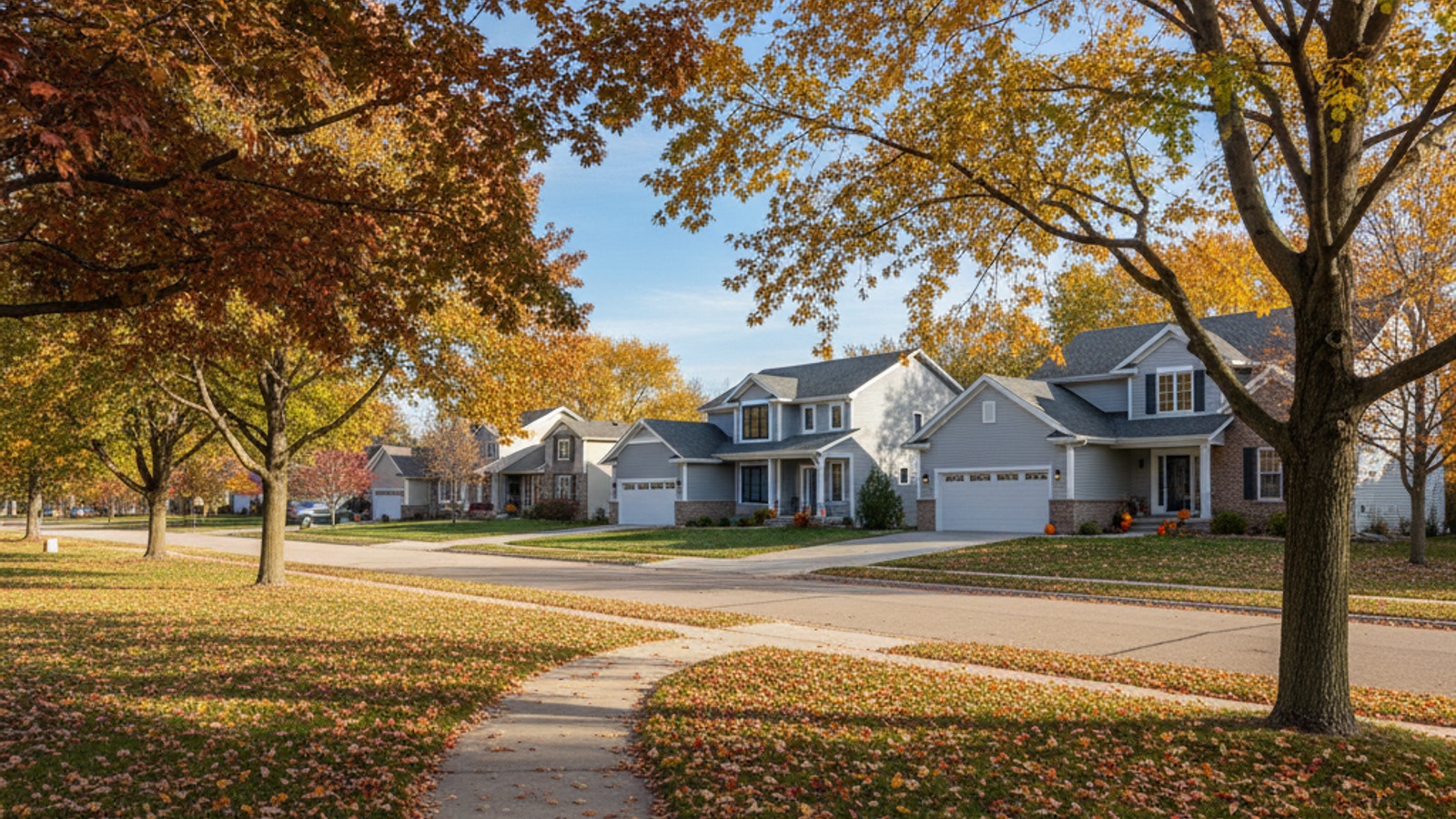
If you are considering a move to the northern suburbs of the Minneapolis - St. Paul metro, Blaine is likely already on your radar. As a key suburb in Anoka County, Blaine has transformed over the years from a quiet rural community into a rapidly growing, vibrant city. When I sit down with buyers to discuss their options in the Twin Cities area, Blaine consistently comes up because of its unique balance of accessible housing, expansive recreational facilities, and straightforward commute times.
What really puts this city on the map is its reputation as a sports-centric community. It is a major hub for youth sports and amateur athletics, drawing visitors from all over the world. But beyond the athletic fields, it offers a high quality of life with plenty of local amenities, retail centers, and outdoor spaces. Whether you are relocating from across the country and reading a broader Moving to Minnesota guide, or you are just moving a few towns over, knowing the local numbers makes all the difference. In this guide, we will walk through exactly what you can expect regarding the local housing market, living costs, school districts, and the everyday logistics of calling Blaine home.
Cost of Living in Blaine, MN
Let's start by looking at the financial side of living in Anoka County. When you evaluate the cost of living in Blaine, you will find that it sits slightly above the national baseline, but it remains highly competitive for the Twin Cities metro area. The overall cost of living index for the city is roughly 109, meaning it is about 9% higher than the national average. This premium is largely driven by housing demand, whereas your everyday expenses like groceries, utilities, and transportation remain much closer to national norms.
To put that cost of living into perspective, it helps to look at local earning power. The median household income in Blaine is approximately $106,801. This strong local income level provides excellent purchasing power for residents, helping to offset the slightly higher housing costs. When buyers look at their monthly budgets, they often find that their income stretches comfortably to cover both necessities and lifestyle expenses.
Property taxes are another major factor to consider when calculating your monthly housing expenses. The effective property tax rate in Blaine typically ranges from 0.92% to 1.04% of a property's assessed market value. This is fairly standard when compared to the Minnesota state median, but it is always smart to review the specific tax history of any home you are considering. If you are new to the state, checking out a Minnesota Property Taxes Explained resource can give you a deeper understanding of how these assessments are calculated annually.
Blaine Housing Market & Real Estate Trends
The real estate market in Blaine is dynamic and offers a wide variety of options for different budgets. Currently, median home values range from $360,000 to $475,000. Where a property falls within that range depends heavily on the type of home, its square footage, and the time of year you are shopping. For instance, a budget of $360,000 will often open the door to spacious townhomes or well-maintained older single-family properties, while moving toward the $475,000 mark will give you access to newer construction and larger layouts.
If you are not quite ready to buy, the rental market is also active. Average rent in the area ranges from $1,600 to $2,600 per month. However, Blaine is overwhelmingly a community of homeowners. The city boasts a high homeownership rate of approximately 85.3%. This high rate of ownership contributes to a strong sense of stability in the local neighborhoods, as properties are generally well-kept and residents tend to stay in the area for the long term.
When you start browsing Blaine, MN Homes for Sale, you will notice that the market can be quite competitive. We frequently see seller's market dynamics, especially for move-in ready homes priced near the median average. Properties that are priced correctly and in good condition tend to move quickly. Buyers need to be prepared with pre-approval letters and a clear understanding of their budget to successfully navigate the local housing inventory.
Exploring Blaine Neighborhoods & Housing Options
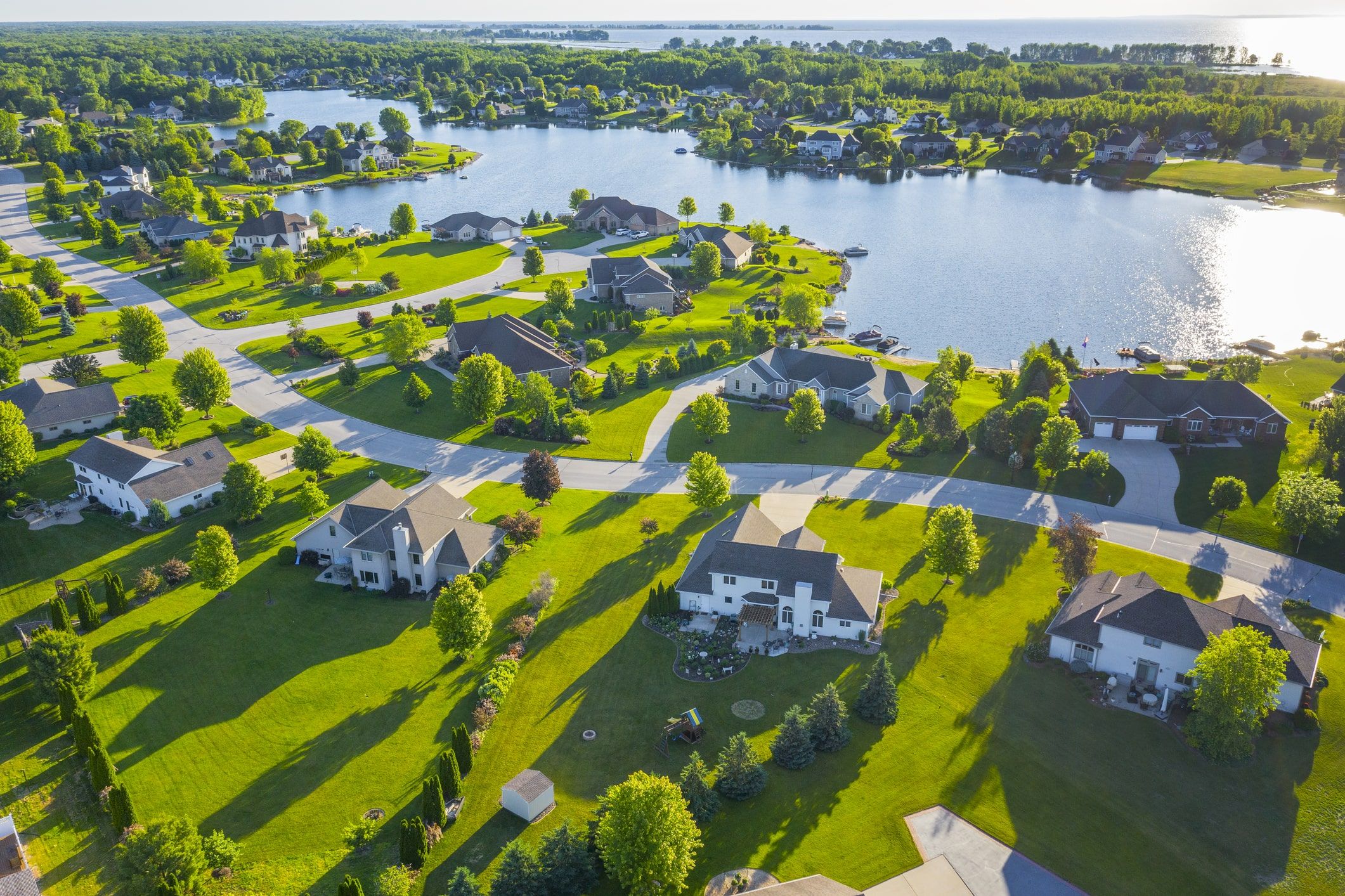
One of the most appealing aspects of moving to Blaine is the sheer variety of housing styles available. The city is geographically large, and its neighborhoods reflect several different eras of development. On one end of the spectrum, you will find accessible entry-level townhomes that are perfect for first-time buyers or those looking to downsize to maintenance-free living. On the other end, there are expansive luxury custom builds situated on larger lots.
In recent years, Blaine has seen a surge in newer developments and master-planned communities. These neighborhoods are thoughtfully designed, often integrating shared amenities, paved walking paths, and easy access to local thoroughfares. Many of these newer subdivisions have been built with modern architectural preferences in mind, featuring open floor plans, energy-efficient appliances, and attached multi-car garages.
Beyond the homes themselves, the layout of the city ensures that most neighborhoods have excellent proximity to lakes, nature trails, and commercial hubs. You are rarely more than a short drive from a grocery store, a coffee shop, or a local park. If you want to dive deeper into the specific subdivisions, reviewing local neighborhood profile pages can help you pinpoint which area aligns best with your daily routine and housing preferences.
Job Opportunities and Commuting to the Twin Cities
A major consideration for anyone relocating is the local economy and the daily commute. Blaine benefits from a strong local job market within Anoka County. The area has a robust presence in sectors such as healthcare, specialized manufacturing, retail, and education. Many residents find excellent employment opportunities right in the northern suburbs, avoiding a highway commute entirely.
However, a significant portion of the population commutes into the core of the Twin Cities. Blaine is located about 15 miles from downtown Minneapolis. For those making this drive, the average commute time is roughly 24.5 minutes, though this can vary depending on the time of day and the specific route you take. Knowing the traffic patterns is essential for planning your mornings.
The two major transportation routes serving the city are Highway 65 and Interstate 35W. Highway 65 runs directly through the center of Blaine and is heavily utilized for both local errands and commuting. Because it has several stoplights, many commuters who live on the eastern side of the city prefer to hop onto I-35W for a more direct, uninterrupted drive into Minneapolis or St. Paul. If you are coordinating a job transfer across the metro, reading a Minneapolis Relocation Guide can provide great cross-city context for your daily travel.
Local School Districts in Blaine
When evaluating a new city, the local educational infrastructure is an important data point for many households. Blaine is primarily served by two public school districts: the Anoka-Hennepin School District (District 11) and the Spring Lake Park School District (District 16). The boundaries for these districts weave through different parts of the city, so the specific home you purchase will determine your default school assignment.
Anoka-Hennepin is the largest public school district in the state of Minnesota. Because of its massive scale, the district is able to offer a wide variety of academic programs, advanced placement courses, and extracurricular activities. Within Blaine, prominent public schools include Sunrise Elementary and Blaine High School. Blaine High School is known for its strong academic performance, boasting an approximate graduation rate of 92%.
In addition to the traditional public school routes, residents have access to several charter schools and private school options in and around the northern suburbs. These institutions offer different educational models and varying student-to-teacher ratios, giving buyers multiple choices for education. For a comprehensive look at how these districts compare to others in the metro, a broader Guide to Twin Cities School Districts can be a helpful research tool.
Things to Do: The National Sports Center and Beyond
It is impossible to talk about living in Blaine without highlighting its incredible recreational amenities. At the heart of the city's identity is the National Sports Center. Recognized as the world's largest amateur sports facility, this massive complex covers 660 acres and draws over 4 million visitors annually. It is a cornerstone of the community and a major driver of the local economy.
The sheer scale of the National Sports Center is impressive. To give you an idea of what is available, here is a quick look at the facilities:
-
Over 50 multi-use athletic fields used for soccer, lacrosse, and rugby.
-
The Super Rink, which is an 8-rink ice arena that hosts hockey tournaments year-round.
-
An outdoor Velodrome for track cycling.
-
The Victory Links Golf Course, an 18-hole public course designed with PGA Tour standards.
Beyond the sports complex, Blaine offers fantastic outdoor recreation. The city maintains an extensive network of local parks, wetland sanctuaries, and paved trails that are perfect for biking and running. When it comes to everyday conveniences, the Northtown Mall area and the surrounding commercial corridors offer a wide variety of shopping and dining options. From big-box retailers to local independent restaurants, you do not have to leave the city limits to find what you need. If you love spending time outdoors, looking up the Best Parks in the North Metro will give you a great checklist for your first summer here.
Relocation Logistics and Permit Requirements
Moving involves a lot of moving parts, and understanding the local city guidelines can save you a few headaches. The good news is that for standard residential move-ins, the city of Blaine does not require a specific moving permit. You can schedule your moving trucks and unload your boxes without needing to file paperwork with the city clerk.
However, if your move involves immediate home improvements, you will need to familiarize yourself with the local building codes. Significant renovations, such as replacing the roofing, altering the plumbing, or expanding a driveway, do require city permits. The city is also strict about major earth-moving projects; for example, any excavation moving over 100 cubic yards of dirt requires a Land Reclamation Permit.
For those moving a business into the area, you will need to secure a Commercial Certificate of Occupancy before opening your doors. On the residential side, setting up your daily life is straightforward. You will want to contact the city to set up your local water and sewer utilities, and you can choose from a few licensed providers for your weekly trash and recycling services. Reviewing a Homebuyer's Checklist for Moving can help ensure you don't miss any of these logistical steps during your first week in town.
Frequently Asked Questions About Moving to Blaine
Is Blaine, MN expensive?
Compared to the national average, the cost of living in Blaine is about 9% higher, making it slightly more expensive than the national baseline. However, with a strong median household income of approximately $106,801 and stable property tax rates, it remains a highly competitive and affordable option within the Twin Cities metro area.
What is the commute like from Blaine to Minneapolis?
The commute from Blaine to downtown Minneapolis covers about 15 miles and takes an average of 24.5 minutes. Most residents utilize either Highway 65 or Interstate 35W, though travel times can fluctuate during peak morning and evening rush hours.
Does moving to Blaine, MN require a permit?
A standard residential move does not require a moving permit from the city. However, if you plan to do major renovations upon moving in, or if your project involves excavating more than 100 cubic yards of land, you will need to pull the appropriate building and reclamation permits from the city.
Conclusion: Is Moving to Blaine, MN Right for You?
Relocating to Blaine offers a unique opportunity to enjoy the space and amenities of a major suburb while maintaining easy access to the economic engines of Minneapolis and St. Paul. With its world-class sports facilities, extensive park systems, and steady job market, the city provides a fantastic quality of life. The housing market is robust, with an impressive 85.3% homeownership rate and a wide variety of properties ranging from $360,000 to $475,000.
Whether you are drawn by the fast commute down I-35W, the educational options in District 11, or the endless weekend activities at the National Sports Center, the data shows that Blaine is a strong investment. If you are ready to explore the market further and want personalized guidance on finding the right property, reaching out via a Contact Us page to connect with a local real estate expert is the best next step.

Ann Breuer
Broker Associate, SRES, Team Owner | First Choice Realty Solutions • REAL Broker, LLC
or another way