
Categories
Home Buying Tips, Moving & Local Resources, Pricing, Appraisals & Home Value, Twin Cities Neighborhood GuidesPublished April 7, 2026
Breaking Down the Cost of Living in Blaine, MN

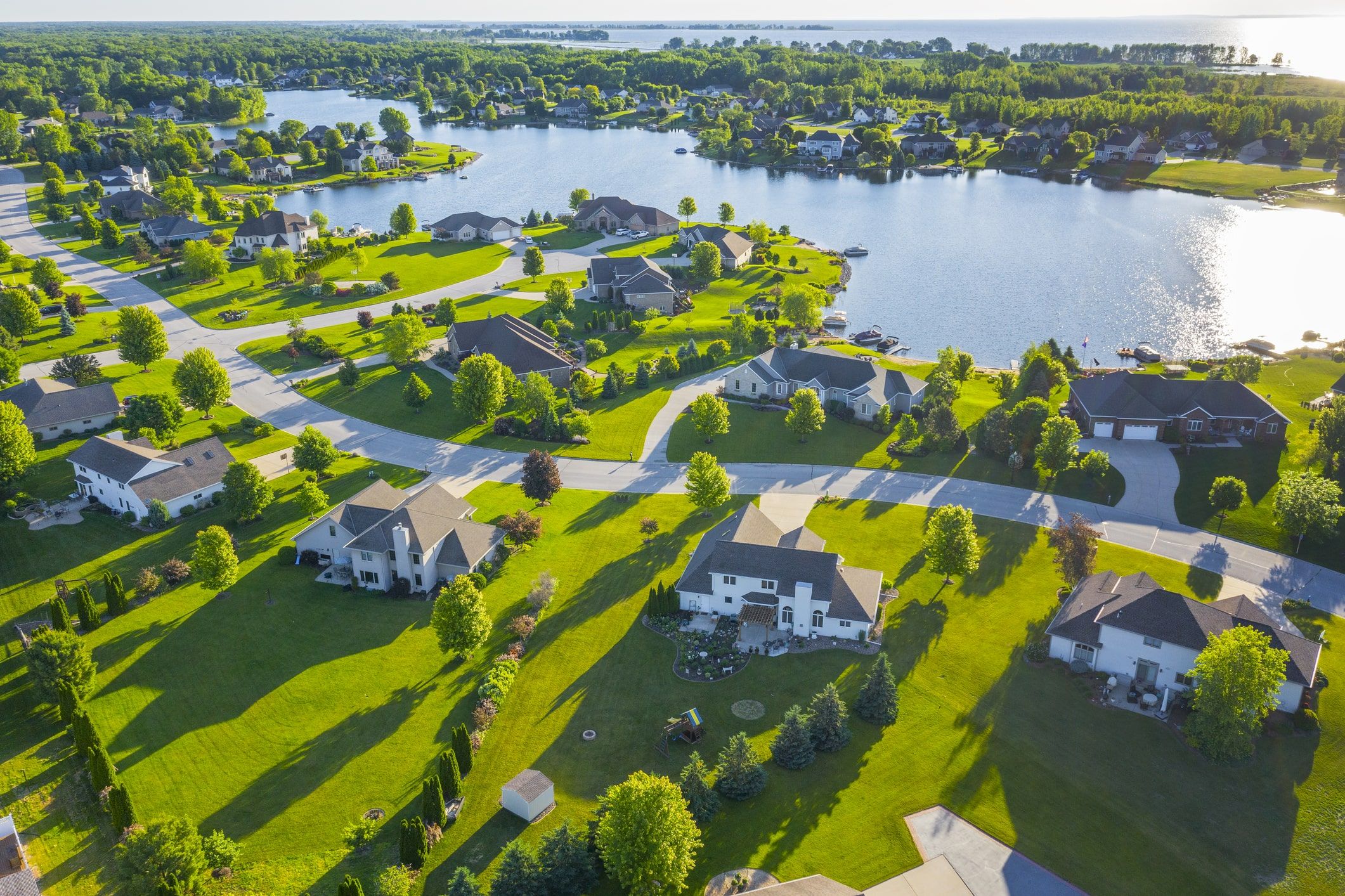
Welcome to Blaine, a fast-growing suburb in Anoka County that sits right in the vibrant Minneapolis-Saint Paul metropolitan area. If you are thinking about relocating to the Twin Cities Metro, figuring out your daily and monthly budget is usually the first step.
The overall cost of living index here runs roughly between 104.6 and 115, compared to the national average of 100. That means you can expect your day-to-day expenses to be slightly higher than the national baseline. However, residents usually find that local salaries balance things out nicely.
In fact, the median household income in Blaine is approximately $102,000 to $103,382. This strong earning potential helps offset those slightly elevated costs, making the area quite manageable for professionals. Grasping this balance between income and expenses is a great starting point for any cost of living in Minnesota guide.
Let's start with housing costs, since that is usually the biggest piece of the puzzle.
Housing Costs in Blaine: Buying vs. Renting
Whether you are looking to buy or lease, understanding the local real estate market is crucial. Housing costs in Blaine are slightly above the national average, but you get access to a growing community with plenty of modern amenities.
For buyers exploring homes for sale in Blaine MN, the median home values range from $375,000 to $475,000 as of the first quarter of 2026. This price point typically secures a comfortable property with a yard, though you will want to factor in Anoka County property taxes when calculating your monthly payment. If you are new to the process, reading a first-time homebuyer guide Minnesota style can help you navigate these local tax nuances.
If renting makes more sense for your current situation, the market here offers a variety of options. Average monthly rent ranges from $1,666 to $2,350 depending on the size and type of the apartment.
Here is a quick glance at what you might budget for housing:
-
Entry-level homes and townhouses: Closer to the $375,000 mark.
-
Larger single-family properties: Pushing toward $475,000 and above.
-
Apartment rentals: Typically $1,666 to $2,350 per month.
Once you have a roof over your head, it is smart to look at the day-to-day bills.
Everyday Expenses: Groceries, Utilities, and Healthcare
Your monthly budget involves more than just a mortgage or rent payment. Food, power, and medical care are everyday expenses that will dictate your actual spending power in Blaine.
When you hit the supermarket, you will find that grocery prices are about five percent higher than the national average. Healthcare costs remain highly competitive with the rest of the United States, and residents benefit from excellent proximity to major healthcare networks in the Twin Cities.
Utility bills are where things get distinctly Minnesotan. While our electricity rates are relatively affordable at roughly $0.17 per kilowatt-hour - about ten percent lower than the national average - our harsh winters mean you will be running the heat constantly for several months. Winterizing your Minnesota home is essential, as the heavy heating demand will drive your total utility usage up significantly from November through March.
Getting around town is the next major factor to consider for your wallet.
Transportation and Commuting in the Metro Area
Blaine is primarily a car-dependent suburb, so personal vehicle expenses will be a standard line item in your budget. The city is highly accessible, bordered by major routes like Highway 65 and US Route 10.
Gas prices in the area currently hover around $3.20 per gallon. If you are commuting to downtown Minneapolis, you are looking at a drive of about 15 miles each way. This manageable distance is why many consider Blaine one of the best commuter suburbs in Minnesota.
For those who prefer to leave the car at home, public transit options are available. Metro Transit offers bus routes that connect Blaine to both Minneapolis and St. Paul, which can save you money on parking and vehicle maintenance over the year.
Speaking of driving, the local climate plays a massive role in how you live and commute.
Lifestyle Factors: Winter Weather and Snowfall in Blaine
You cannot talk about living in Minnesota without talking about the weather. The local climate directly impacts your cost of living, requiring specific seasonal budgets that out-of-state movers often overlook.
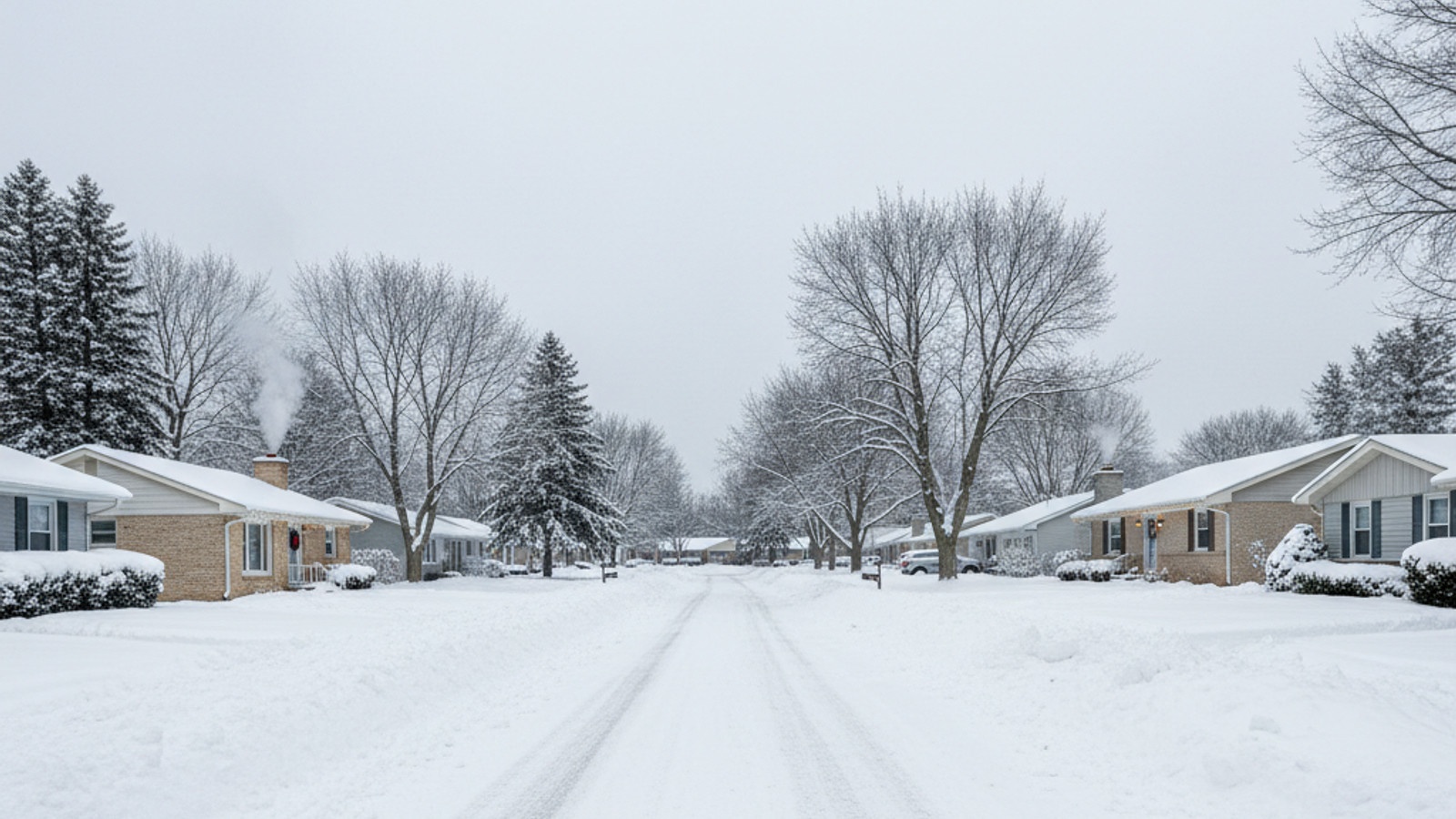
Blaine averages a hefty 54.3 inches of snow annually, compared to the national average of just 28 inches. January lows frequently drop to 4 degrees Fahrenheit, while July rewards us with beautiful highs around 83 degrees Fahrenheit. This means you need a true four-season wardrobe.
Budgeting for a guide to Minnesota winters is a real financial necessity. You will need to account for snow tires, heavy winter clothing, and potentially hiring snow removal services if you do not want to shovel your own driveway. On the bright side, this climate perfectly supports living near the National Sports Center, where residents enjoy year-round athletic events and outdoor recreation.
Beyond the weather, it is also important to know how to research the community itself.
Evaluating Public Safety and Community Data
When moving to a new city, gathering objective facts about the area helps you make an informed decision. Blaine offers a wealth of transparent, accessible data for prospective residents.
For those looking into local crime statistics, the best approach is to review public safety data directly through official channels like the Blaine Police Department. These resources provide clear, objective numbers to help you evaluate the area. You will also find that the city features excellent proximity to emergency services and community centers.
If you are researching education, the area is served by the Anoka-Hennepin School District. You can easily find standardized testing data and enrollment figures through the district's official portals. Looking up Anoka-Hennepin School District real estate can give you a clear picture of which specific neighborhoods align with your geographic preferences. You can also seek out relocation resources for Blaine MN to gather more objective demographic data before making your move.
To wrap things up, let's answer a few common questions people have before relocating.
Frequently Asked Questions About Moving to Blaine
What is the cost of living in Blaine, Minnesota?
The overall cost of living index in Blaine ranges from 104.6 to 115, meaning it is slightly more expensive than the national average of 100. However, with a local median household income exceeding $102,000, many residents find the area highly manageable financially.
Is the cost of living high in Minnesota?
Minnesota's cost of living varies widely depending on whether you are in the Twin Cities metro or a rural area. In suburbs like Blaine, housing and groceries sit slightly above the national average, but utilities like electricity can actually be cheaper.
How much snow does Blaine, MN get?
Blaine receives an average of 54.3 inches of snow each year, which is nearly double the national average of 28 inches. Residents should definitely budget for snow removal equipment, winter tires, and proper cold-weather gear.
Where can I find public safety data for Blaine, MN?
The most reliable and objective public safety data can be found directly through the Blaine Police Department and Anoka County official websites. These local resources provide up-to-date crime statistics and details on emergency response services.

Ann Breuer
Broker Associate, SRES, Team Owner | First Choice Realty Solutions • REAL Broker, LLC
or another way